
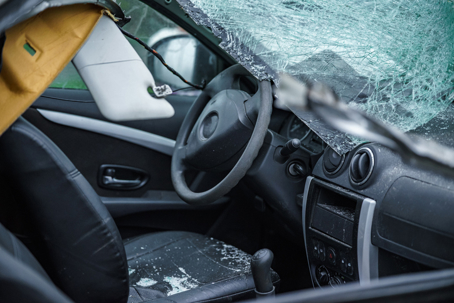
After a New Jersey car accident, it is common for the people involved to have different versions of what happened. One driver may say the other driver caused the crash. The other driver may point to something the first driver did. Sometimes, the truth is more complicated than either version.
You may even believe that you made a mistake that contributed to the collision. Perhaps you were changing lanes when the other vehicle struck you. Maybe you were traveling slightly above the speed limit. Or perhaps you did not see another vehicle until it was too late.
If you were partially responsible for a crash, you may assume you cannot pursue a personal injury claim. That is not necessarily true.
New Jersey uses a comparative negligence system that can allow an injured person to recover damages even when that person bears some responsibility for an accident. However, the percentage of fault assigned to each party can significantly affect the amount ultimately recoverable. (New Jersey Legislature)
Understanding how fault can affect a claim is important before assuming that an accident is simply “your fault” or accepting an insurance company’s assessment of what happened.
How Comparative Negligence Works in New Jersey
New Jersey law does not automatically bar an injured person from recovering damages simply because the person contributed to the accident. Instead, the law provides that fault be evaluated and damages be reduced according to the injured person’s share of responsibility. (New Jersey Legislature)
For example, imagine that a driver suffers significant injuries in a collision and the total value of the driver’s damages is determined to be $100,000. If that driver is ultimately found to be 20% responsible for causing the crash, the potential recovery could be reduced by that percentage, leaving $80,000.
The numbers in a real case will depend on the evidence, the damages involved, and the legal issues presented. The important point is that being partially at fault does not automatically mean that an injured person has no claim.
New Jersey’s comparative negligence statute also requires fault to be allocated among the parties when liability is disputed. In a case that proceeds to a determination of liability, the fact finder considers the full value of the damages and the percentage of negligence attributable to each party. (New Jersey Legislature)
That makes determining fault more than a matter of simply deciding who “caused” the crash. The circumstances surrounding the collision matter.
Why Fault After a Crash May Not Be Obvious
A car accident can happen in seconds. Afterward, however, determining what actually happened can require a much closer examination.
Drivers may remember the same collision differently. A person may believe they had the right of way, while another driver remembers the situation differently. A person may also assume that one action caused the crash without realizing that another driver’s conduct contributed to what happened.
For that reason, an investigation may involve more than simply asking the drivers what they remember.
Evidence can include photographs of the vehicles and the accident scene, police reports, witness statements, medical records, traffic information, available video footage, and other documentation related to the collision. Depending on the circumstances, additional evidence may help establish how the crash occurred and who may have contributed to it.
This can be particularly important when an insurance company argues that an injured person bears more responsibility than the evidence supports.
An Insurance Company’s Position Is Not the Final Word
After a crash, you may communicate with an insurance company about the accident. The insurer may ask questions about what happened, your injuries, or your actions immediately before the collision.
It is important to remember that an insurance company’s assessment of fault is not necessarily the same as the final legal determination of responsibility.
An insurer has a financial interest in resolving a claim. If the insurer argues that you were partly responsible for the accident, that position could affect the amount it is willing to offer.
That does not mean every insurance company’s determination is improper. It means that an injured person should understand the basis for an allegation of fault before accepting it.
A statement made shortly after a stressful crash may not tell the complete story. Similarly, a photograph showing only one portion of an accident scene may not establish everything that happened immediately beforehand.
The more serious the injuries and potential damages, the more important it may be to examine the complete circumstances of the collision.
What If I Admitted I Made a Mistake?
People often say things after a crash that they later wish they had phrased differently.
You might tell another driver, “I didn’t see you,” or say that you were distracted for a moment. You may even apologize because you are shaken and trying to respond politely.
That does not necessarily resolve every question about legal responsibility.
A person’s statement is only one piece of the overall circumstances. Determining fault may require examining the sequence of events, the conduct of each involved party, the physical evidence, and the applicable New Jersey law.
If you believe something you said after a crash could affect your claim, do not automatically assume that you have given up your right to seek compensation. The significance of a statement depends on the circumstances and the evidence surrounding it.
Your Insurance Coverage Can Also Matter
New Jersey’s automobile insurance system adds another layer to the process of dealing with an injury after a crash. New Jersey requires automobile insurance, and available policies can include different types and levels of coverage. (NJ.gov)
Personal Injury Protection, commonly called PIP, can provide coverage for certain medical expenses and other losses following an automobile accident, subject to the applicable policy and legal requirements. The ability to pursue damages from another driver can also depend on the type of policy selected and the nature of the injuries involved. (NJ.gov)
This is one reason why a car accident claim should not be evaluated solely by asking, “Who was at fault?”
There may be questions involving comparative negligence, insurance coverage, the extent of the injuries, available evidence, and the losses caused by the collision.
What Should You Do If You Think You Were Partly Responsible?
If you believe you contributed to a New Jersey car accident, do not make assumptions about your legal options before the circumstances have been properly evaluated.
Start by making sure you receive appropriate medical attention for your injuries. Keep records related to your treatment and the losses you experience after the crash. Preserve photographs, accident-related documents, insurance information, and other evidence that may help establish what happened.
Be careful about making broad statements about fault before you understand the circumstances of the collision. A stressful accident scene rarely provides the complete picture.
You should also pay attention to communications from insurance companies and avoid overlooking documents or requests simply because you are focused on recovering from your injuries.
Most importantly, remember that determining whether you have a viable claim is different from deciding whether you feel personally responsible for what happened.
A Partial Mistake Does Not Necessarily End Your Claim
A car accident is rarely as simple as a single sentence describing who was “at fault.”
New Jersey’s comparative negligence rules recognize that more than one person may contribute to an injury-producing event. If you were partially responsible, that responsibility may affect the amount of damages you can recover, but it does not necessarily mean that you have no legal claim. (New Jersey Legislature)
The details matter. What each driver did, what the evidence shows, how serious the injuries are, and how the applicable insurance coverage affects the claim can all become important considerations.
If you were injured in a New Jersey car accident and believe you may have contributed to the crash, speaking with an experienced attorney can help you understand how the facts of your situation may affect your options.
Palmisano & Goodman, P.A. represents individuals and families dealing with serious personal injuries and can review the circumstances of your accident with you. If you would like to discuss your situation, contact the firm at (732) 709-4400 to learn more about your legal options.